
About Us
Molecular Ecology & Computational Group
Watch Our Story
Introduction
The Molecular Ecology and Computational Group is part of the University of Primorska, Faculty of Mathematics, Natural Sciences and Information Technologies, Department of Biodiversity and is led by Prof. Dr. Elena Bužan.
The group applies cutting-edge molecular and genomic tools to address key questions in ecology, conservation biology, and evolutionary science. Over the years, it has developed into a recognized hub for interdisciplinary research, combining expertise in evolutionary and conservation genetics, wildlife health, biogeography, and landscape genomics.
With a strong record of international collaboration and leadership in EU-funded projects (Horizon, Biodiversa, COST), the group contributes to science-based conservation strategies, policy development, and public engagement through citizen science.
Led by
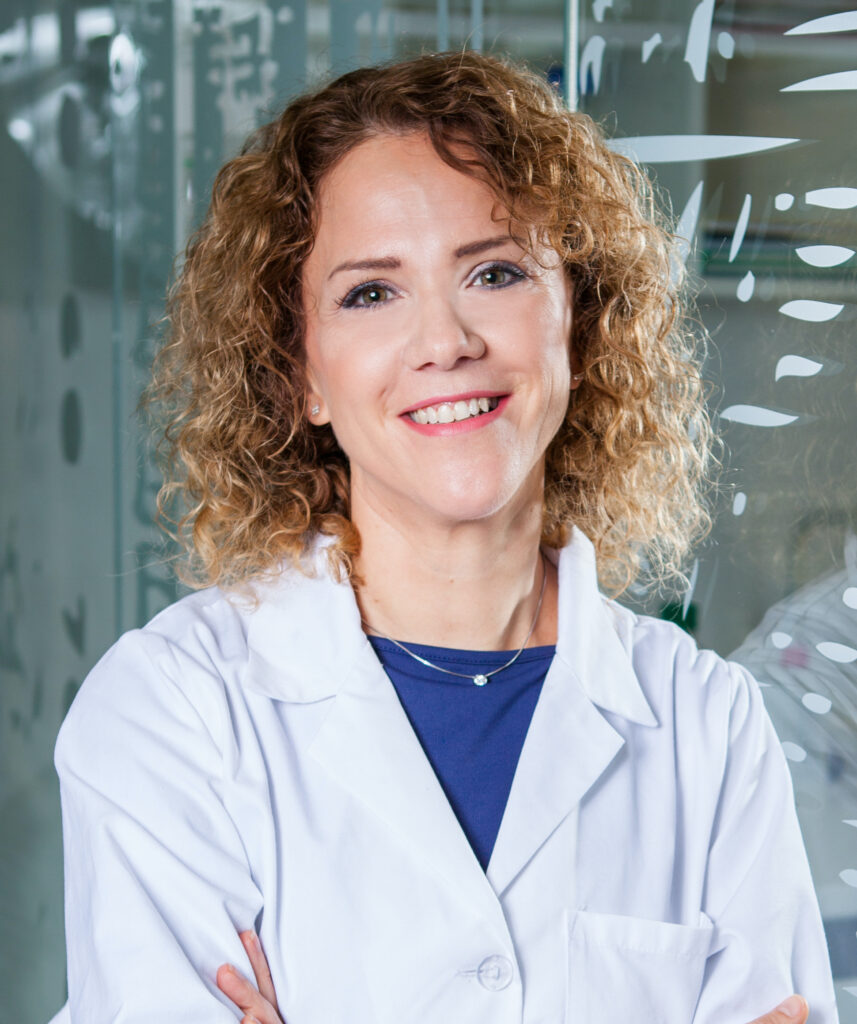 Prof. Dr. Elena Bužan
Research Focus Areas
- Conservation Genetics
- Wildlife Health
- Landscape Genomics
- Biogeography
- Citizen Science
- Evolutionary Genetics
EU Programmes
- Horizon Europe
- Horizon 2020
- BiodivERsA
- COST
Aims & Mission
Our mission is to advance scientific understanding of biodiversity through molecular approaches, support evidence-based nature conservation, and strengthen the role of genetics in ecosystem resilience and wildlife management. The group aims to integrate basic research with applied outcomes, train future experts, and influence policy at national and international levels. A long-term vision includes expanding genomic reference data for European fauna, promoting open science, and enhancing citizen participation in research.
Objectives
- 1Train students and early-career researchers in conservation genetics and molecular ecology
- 2Apply genomic and bioinformatics tools to study wildlife populations and biodiversity
- 3Investigate the genetic basis of responses to environmental change, habitat fragmentation, and human pressures
- 4Contribute to global and European initiatives like ERGA and iBOL
- 5Lead and collaborate in interdisciplinary projects: STEP CHANGE, BEPREP, BIG PICTURE, and national ARIS projects
- 6Engage citizens in biodiversity research and promote science communication
- 7Support national and international conservation strategies through robust genetic evidence and science-based policy recommendations
UP FAMNIT
Koper · Slovenia
Part of the Department of Biodiversity at the Faculty of Mathematics, Natural Sciences and Information Technologies, University of Primorska, Koper, Slovenia.
molecular.ecology@upr.si